
Relationship Trauma Therapist in Minnesota
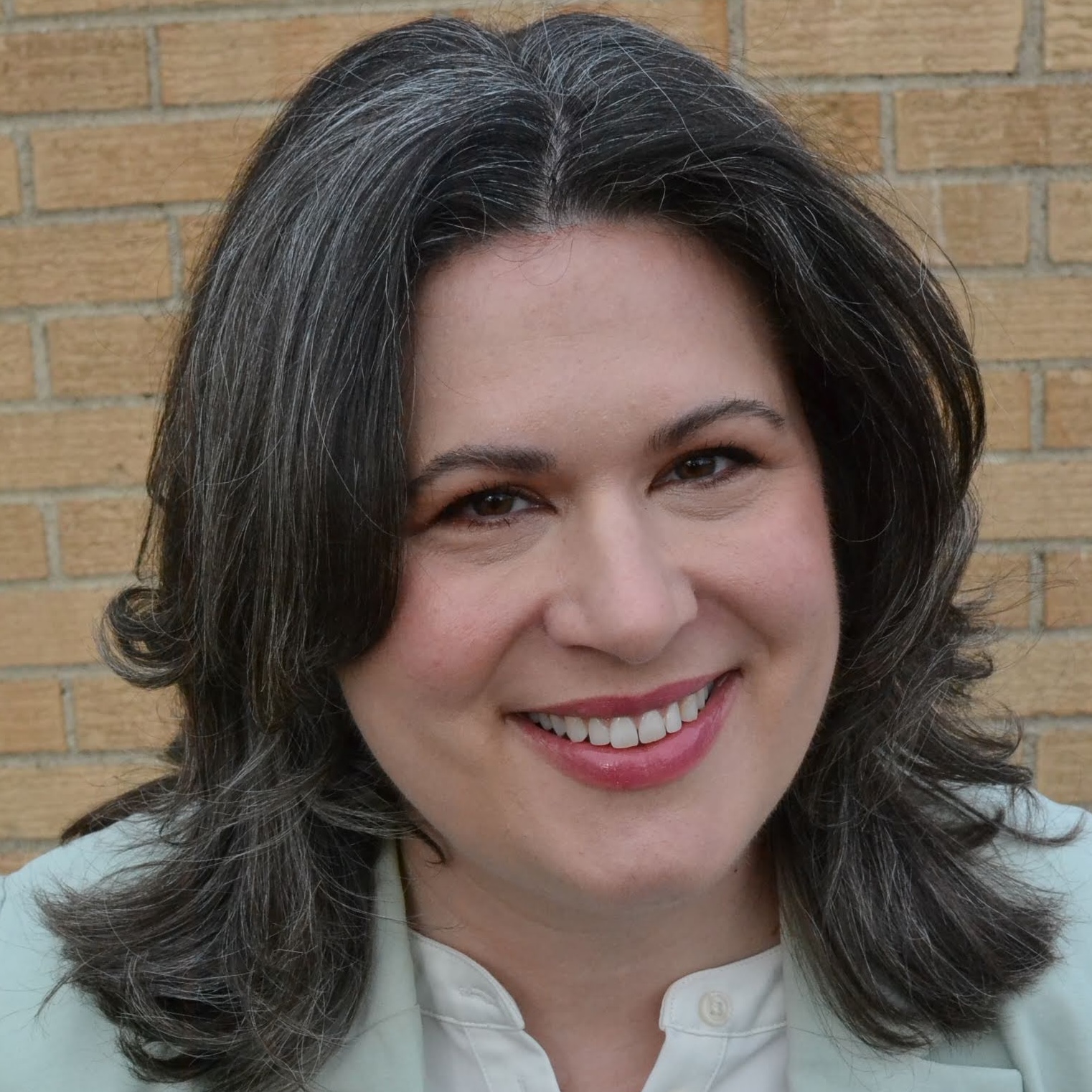
I am a Licensed Marriage and Family Therapist (LMFT) who works with individuals healing from relationship trauma. While I’m trained as a relational therapist, my focus is on helping you understand how past relationships have shaped your present and how to move forward differently.
My Therapy Services
My Specialty Areas
Relationship trauma isn’t always dramatic or obvious. Many clients wonder if what they experienced “counts.” Trauma often shows up as patterns, behaviors, or emotional responses rather than a single event.
Common experiences include:
- Feeling anxious, on edge, or emotionally shut down in relationships
- Constantly second-guessing yourself or your perceptions
- Difficulty trusting others or trusting your own judgment
- Fear of abandonment, rejection, or being "too much"
- Walking on eggshells or feeling responsible for others’ emotions
- Trouble setting or maintaining boundaries
- Lingering shame or self-blame after a breakup
- Emotional numbness or difficulty feeling connected
- Replaying past conversations or questioning what really happened
- Codependency
- Hypervigilance — heightened awareness of surroundings (sights, sounds, shifts in movement)
- Emotional shutdown or pushing loved ones away
- Emotional reactivity that is difficult to calm
Trauma Therapy Philosophy and Treatment Methods
My approach is depth-oriented, collaborative, and trauma-informed. Instead of quick fixes or surface-level coping strategies, we work to understand the patterns shaped by past relationships, family dynamics, and lived experiences.
I use evidence-based therapies, including Accelerated Resolution Therapy (ART) and Cognitive Processing Therapy (CPT), tailored to each client’s needs.
Additional focus areas include:
- LGBTQIA+ affirming therapy, supporting sexual orientation, gender identity, and relationship diversity
- Neurodiversity affirming therapy, honoring how your brain works rather than trying to change it
- Grief in relationships, helping process unclear or unresolved losses
- Cultivating self-compassion, learning to respond to past emotional wounds with kindness and understanding
This approach creates a safe space for reflection, healing, and meaningful change over time.